Follow it together
Reveal the map one branch at a time, so the whole group follows the explanation instead of reading ahead.
Present a topic from one map, then share that same map with your learners. What they saw in the lesson is what they revise from.
The map is the same. How you use it depends on whether you teach one learner or a whole year group.
For tutors and tutoring companies. Explain the topic in the session, then send the map home with your student.
Foramind for tutoring ›For schools, colleges and universities. Teach from a map in class and open it from the course page in Moodle, Canvas or Blackboard.
Foramind for schools ›Reveal the map one branch at a time, so the whole group follows the explanation instead of reading ahead.
Group related ideas on branches and connect causes to their effects.
Build a map by hand, begin from notes and edit every branch, or open a ready-made template.
The map from the lesson opens again on any device, so revision starts from something familiar.
Pick a map for your subject, then adapt it for your class.
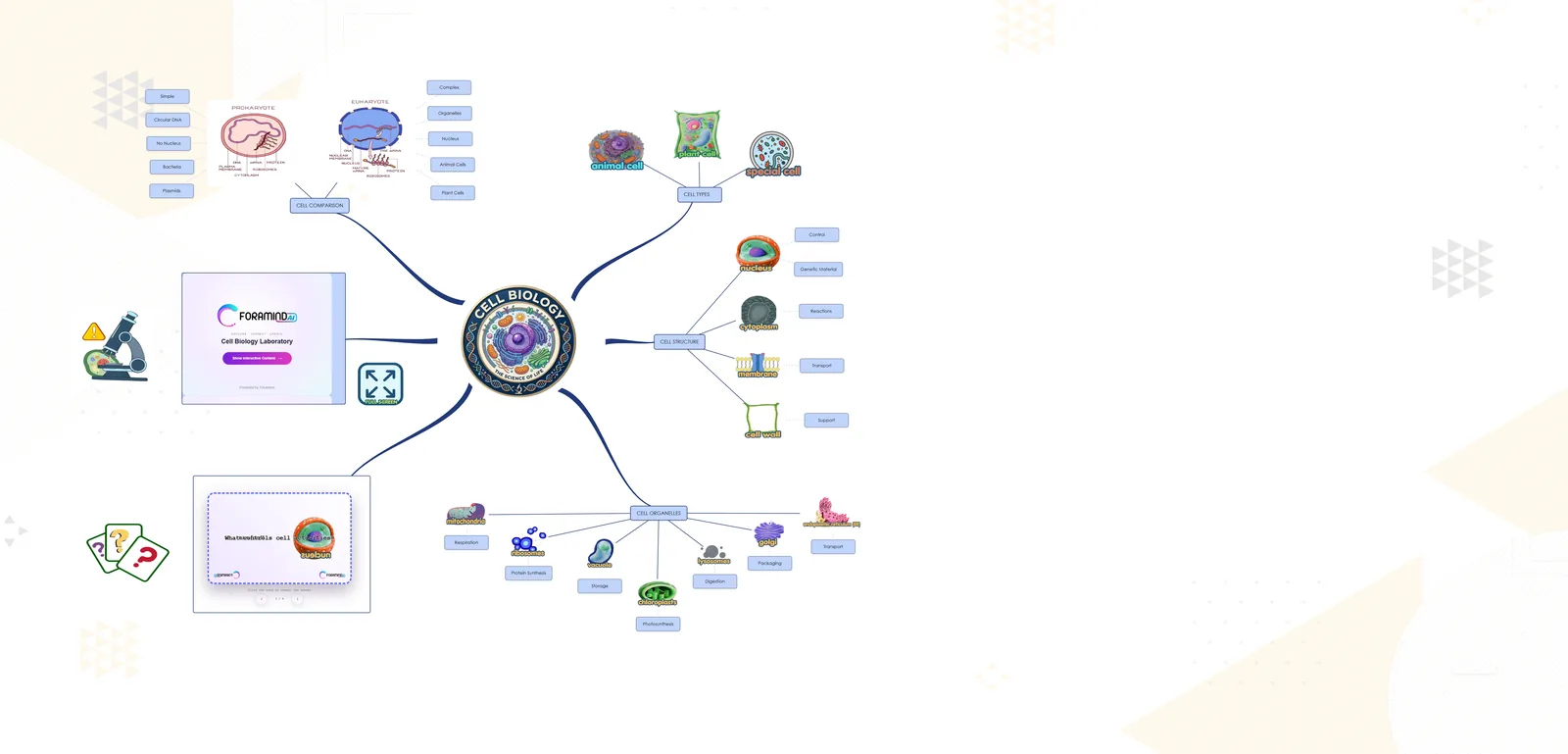
 Open in templates ›Cell biologyCell types, structure and organelles, with a prokaryote and eukaryote comparison.
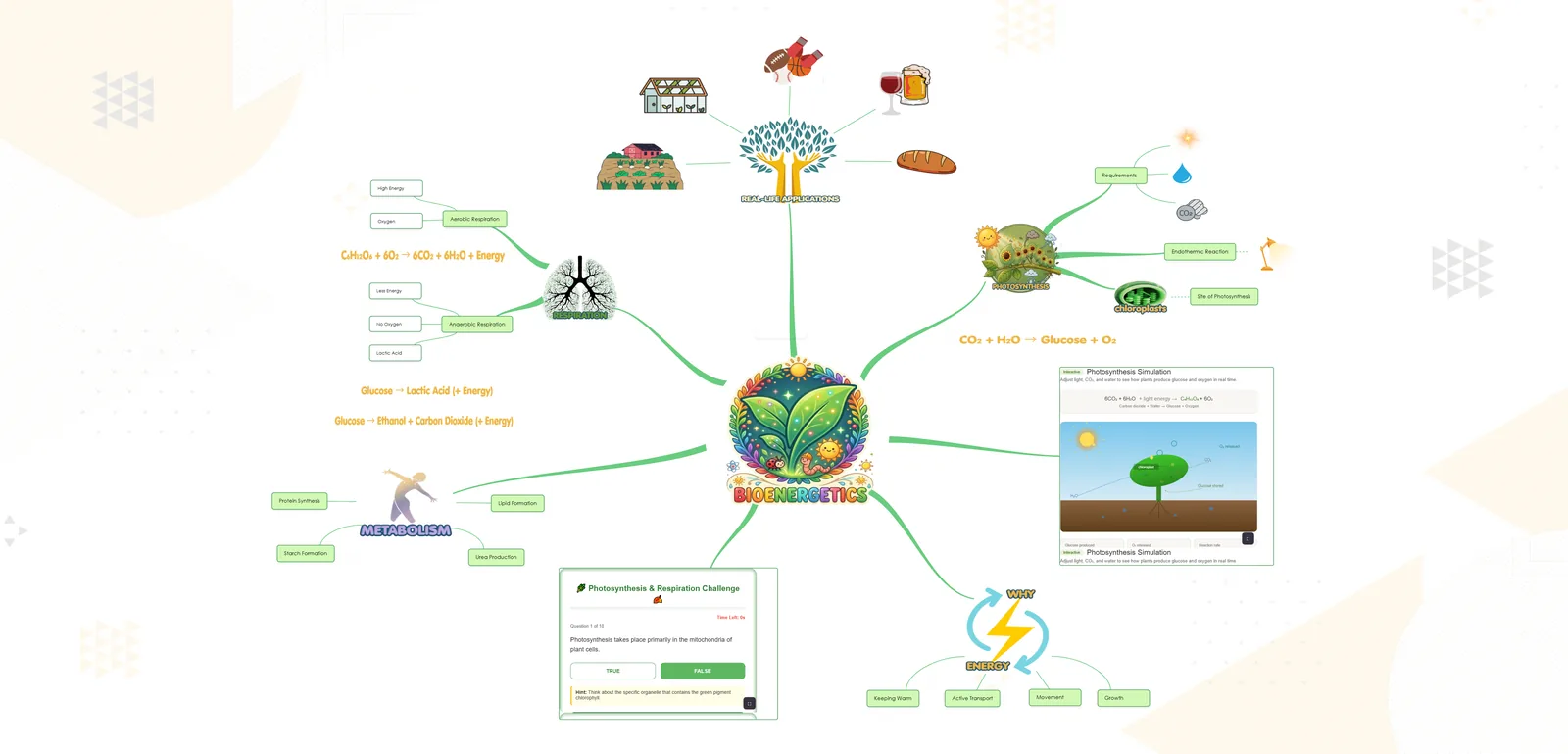
 Open in templates ›BioenergeticsPhotosynthesis, respiration and metabolism, with a simulation and a quiz.
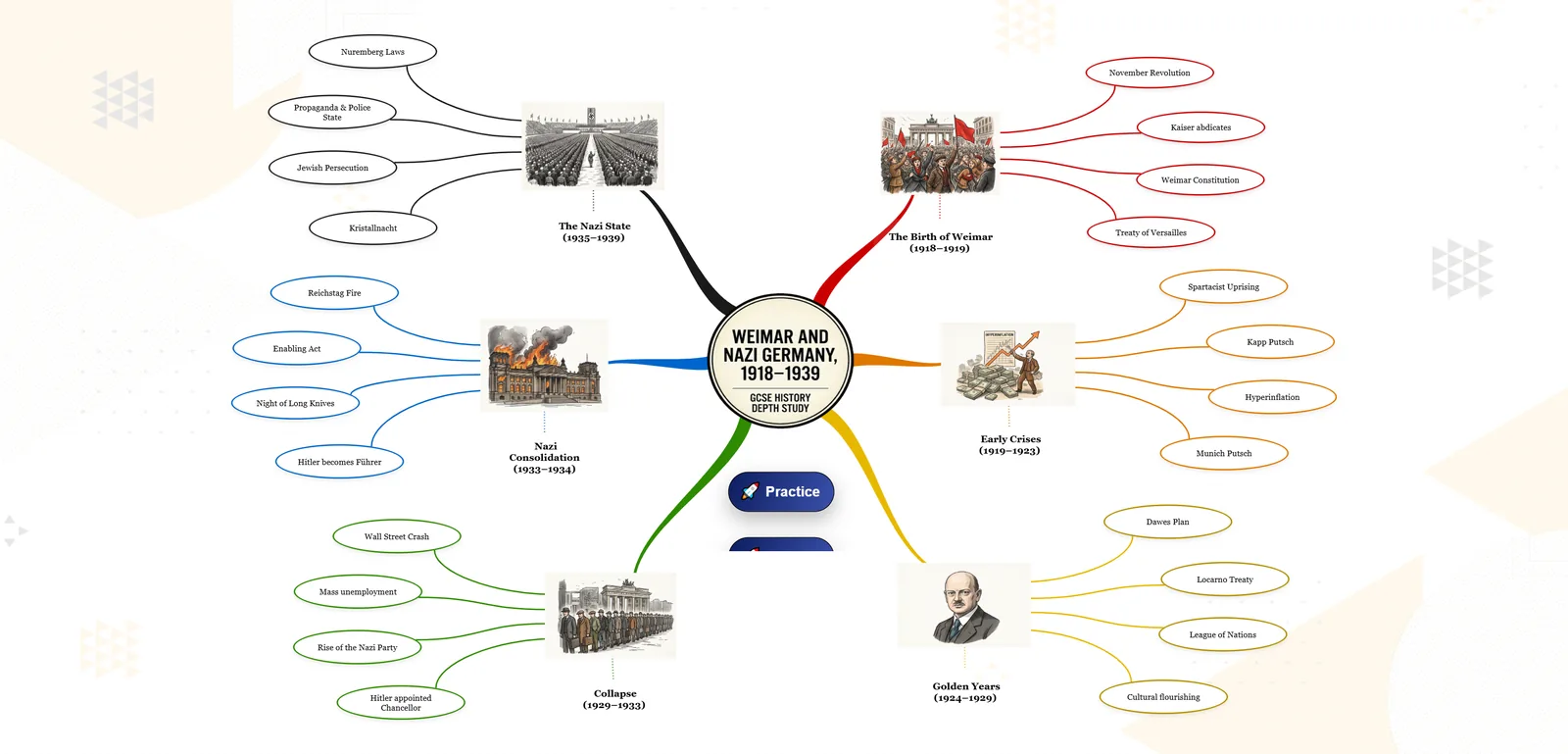
 Open in templates ›Weimar and Nazi Germany, 1918–1939Six periods of a GCSE History depth study, each with its key events.
 Open in templates ›Scrooge’s moral journeyA Christmas Carol, stave by stave, from frozen to renewed.
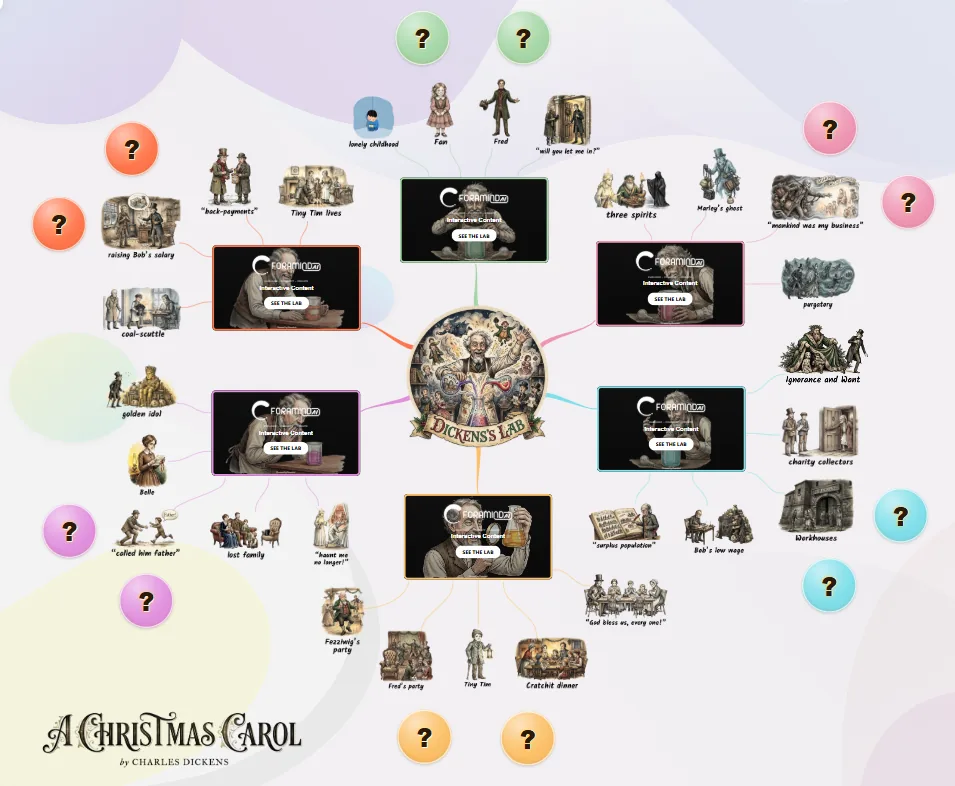
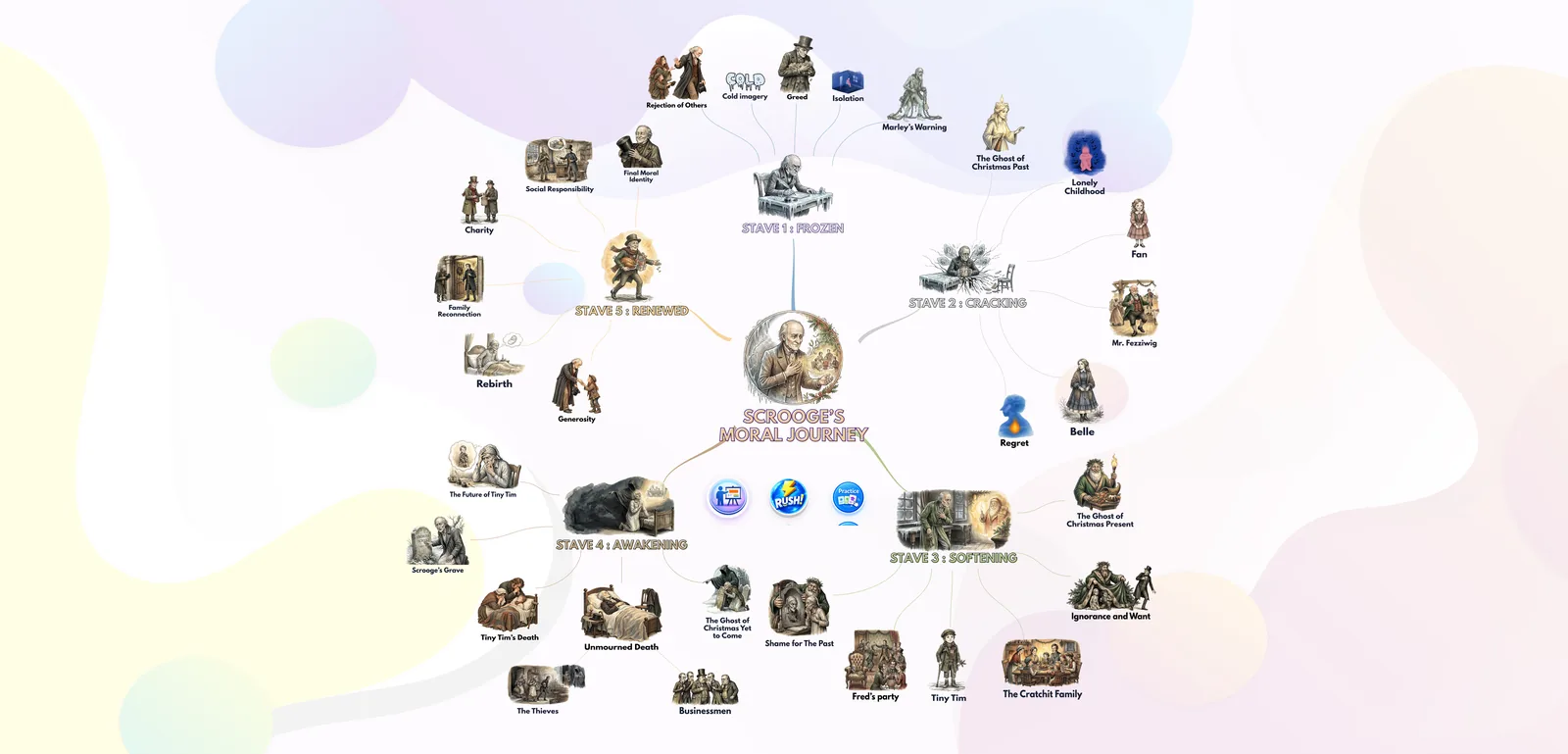 Open in templates ›A Christmas Carol: Dickens’s labSix themed branches, each opening an interactive lab with a question.
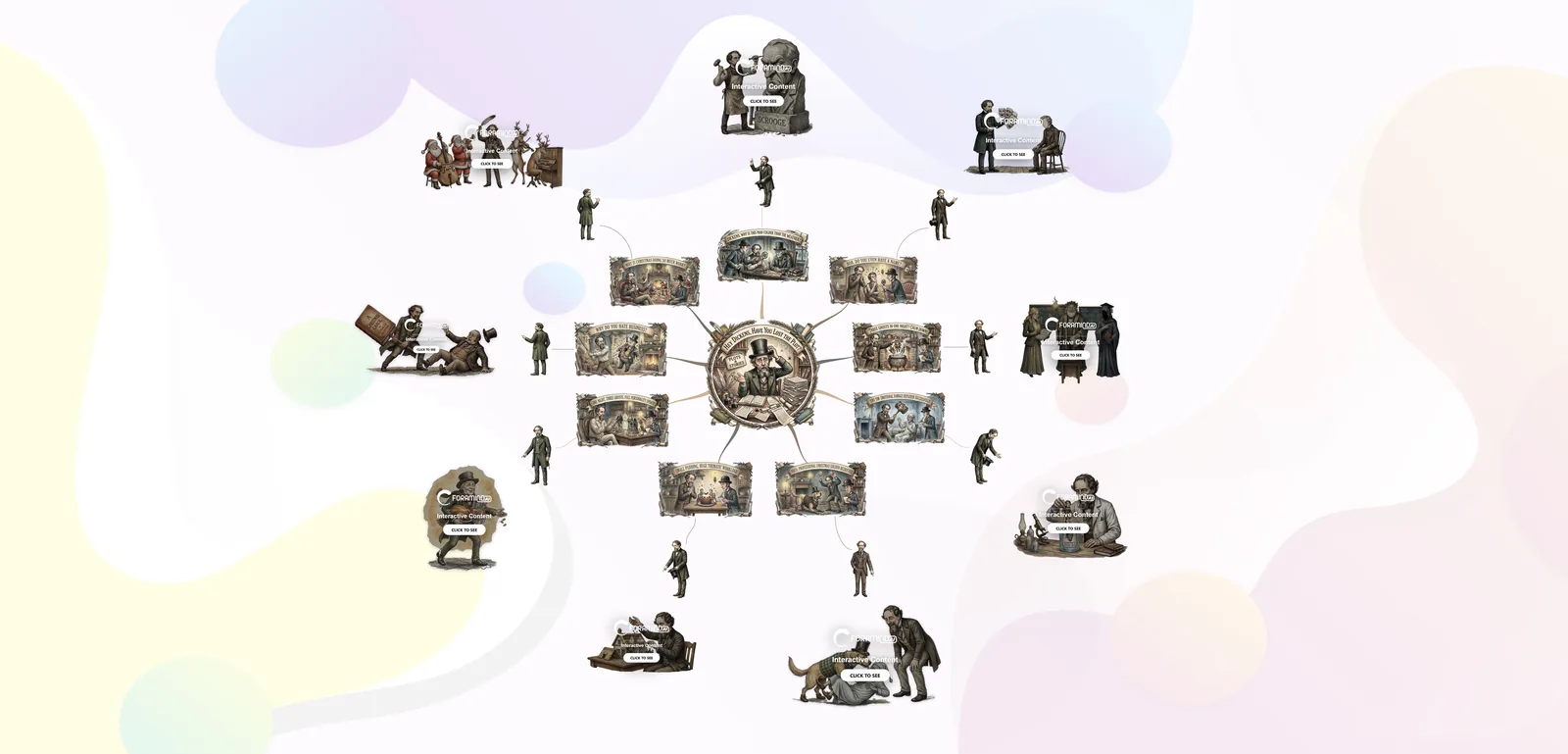
 Open in templates ›Hey Dickens, have you lost the plot?Plot moments from A Christmas Carol, each with an interactive activity.
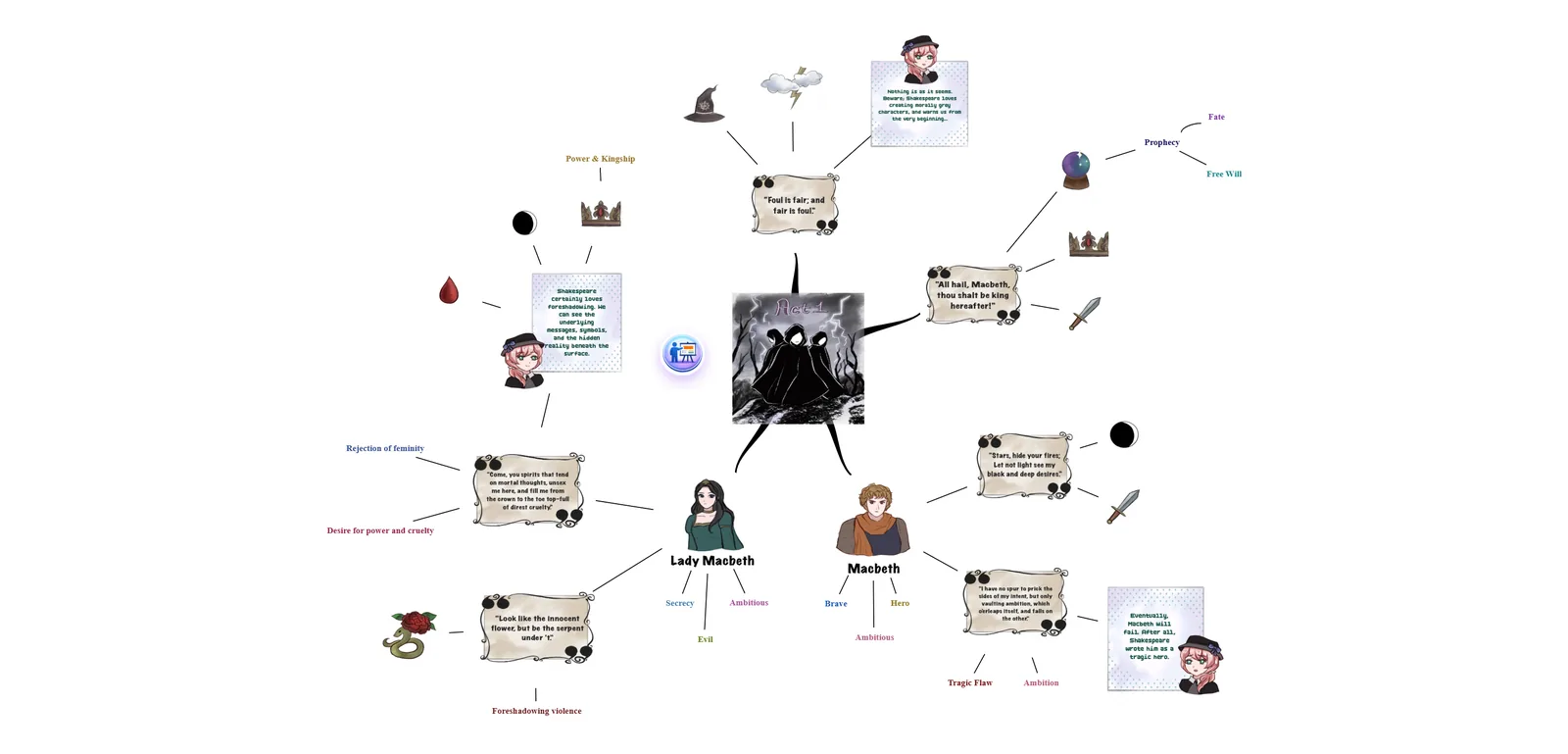
 Open in templates ›Macbeth: Act 1Key quotations, characters and themes, with notes on foreshadowing.
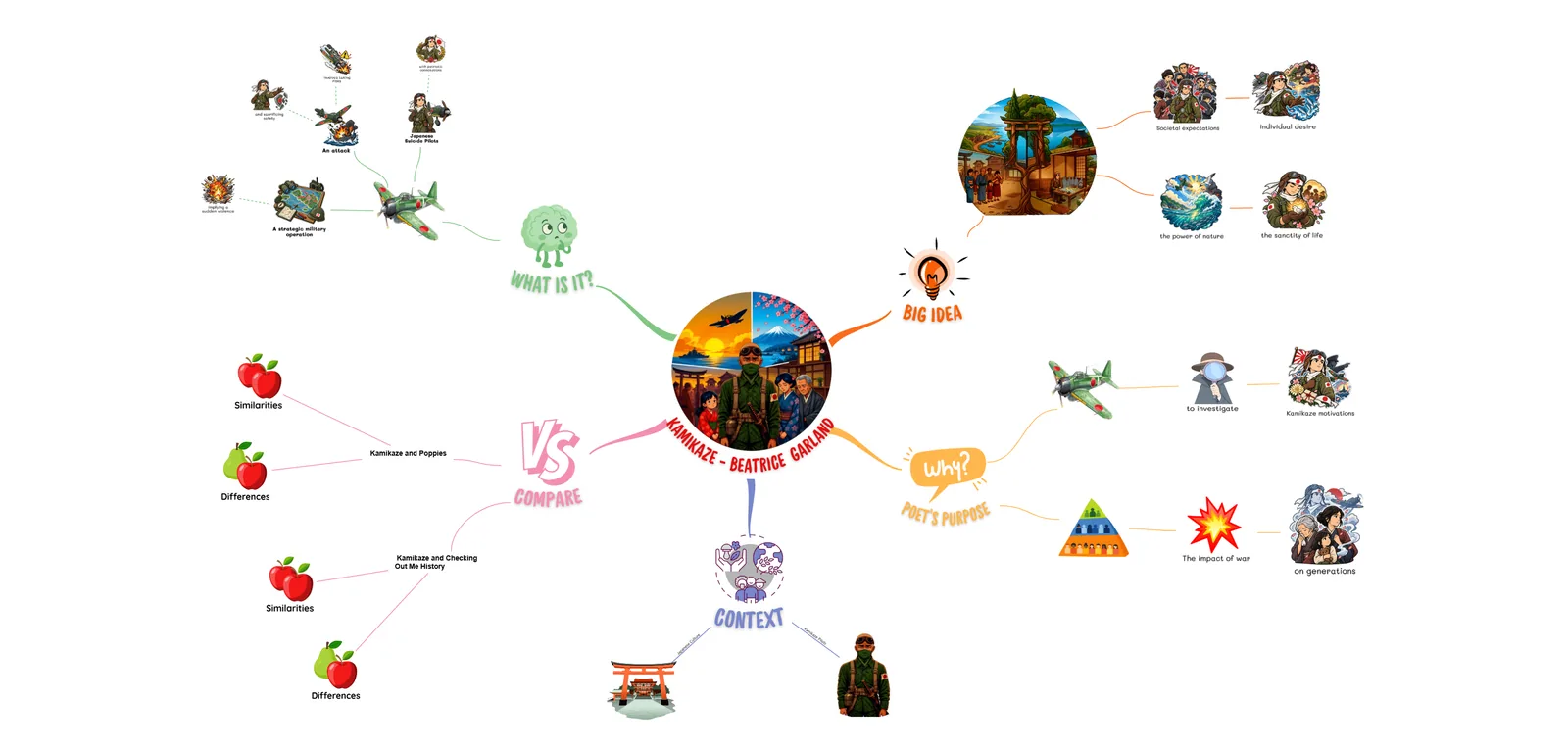
 Open in templates ›Kamikaze, Beatrice GarlandContext, the big idea and the poet’s purpose, compared with Poppies.
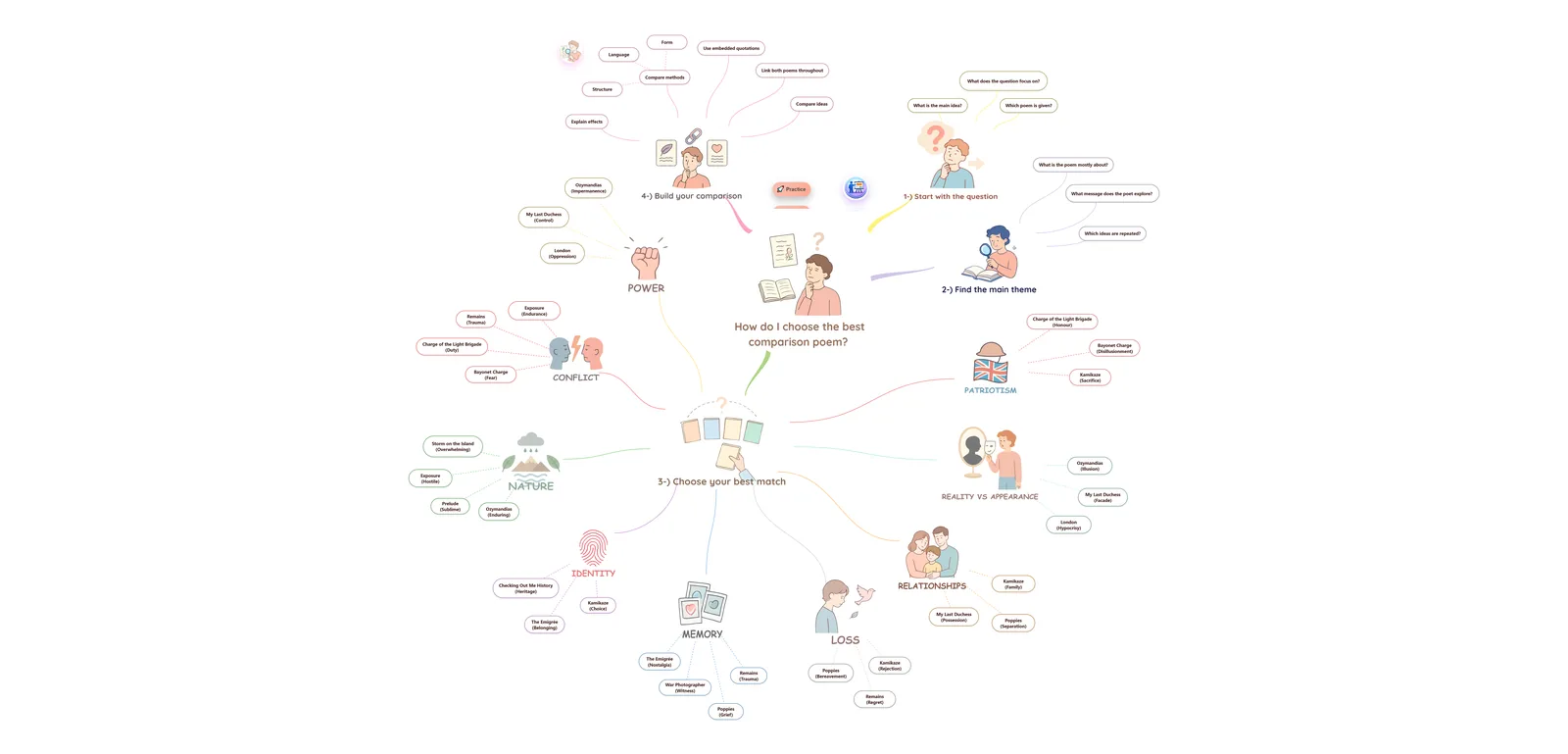
 Open in templates ›Choosing a comparison poemFour steps from the question to a built comparison, with themes to match.
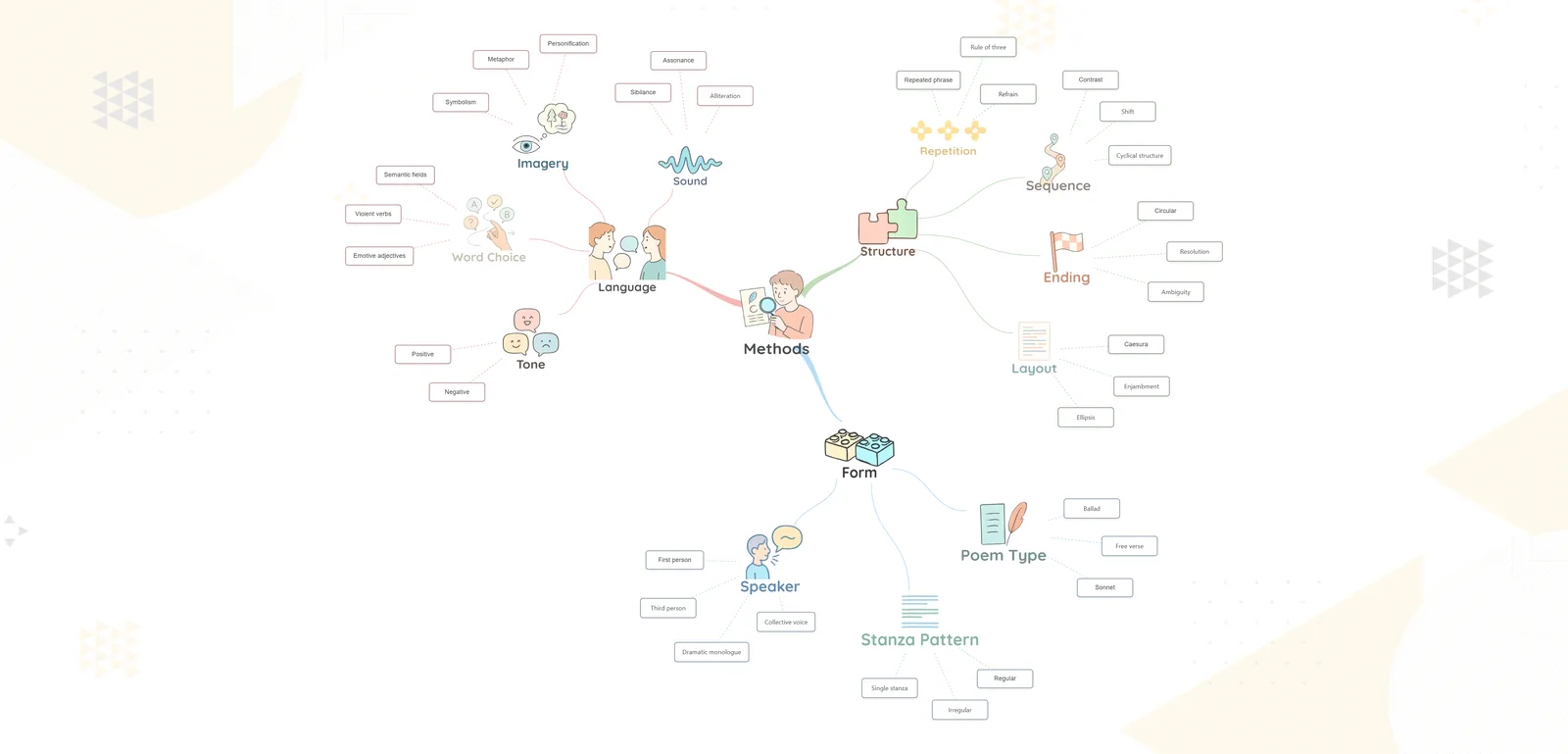
 Open in templates ›Poetry methodsLanguage, structure and form: the methods to name in a poetry answer.
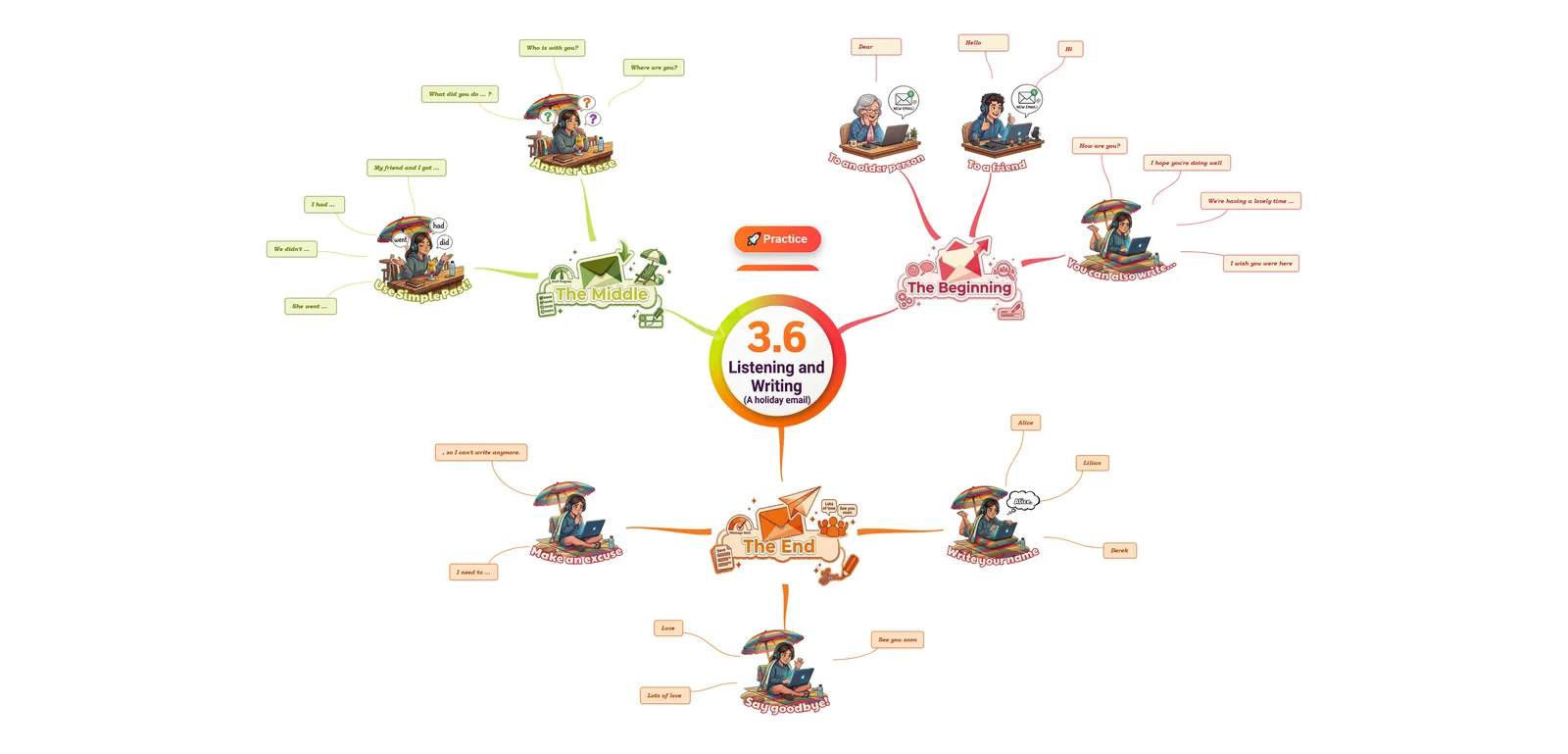
 Open in templates ›Writing a holiday emailListening and writing: how to open, build and end an email.
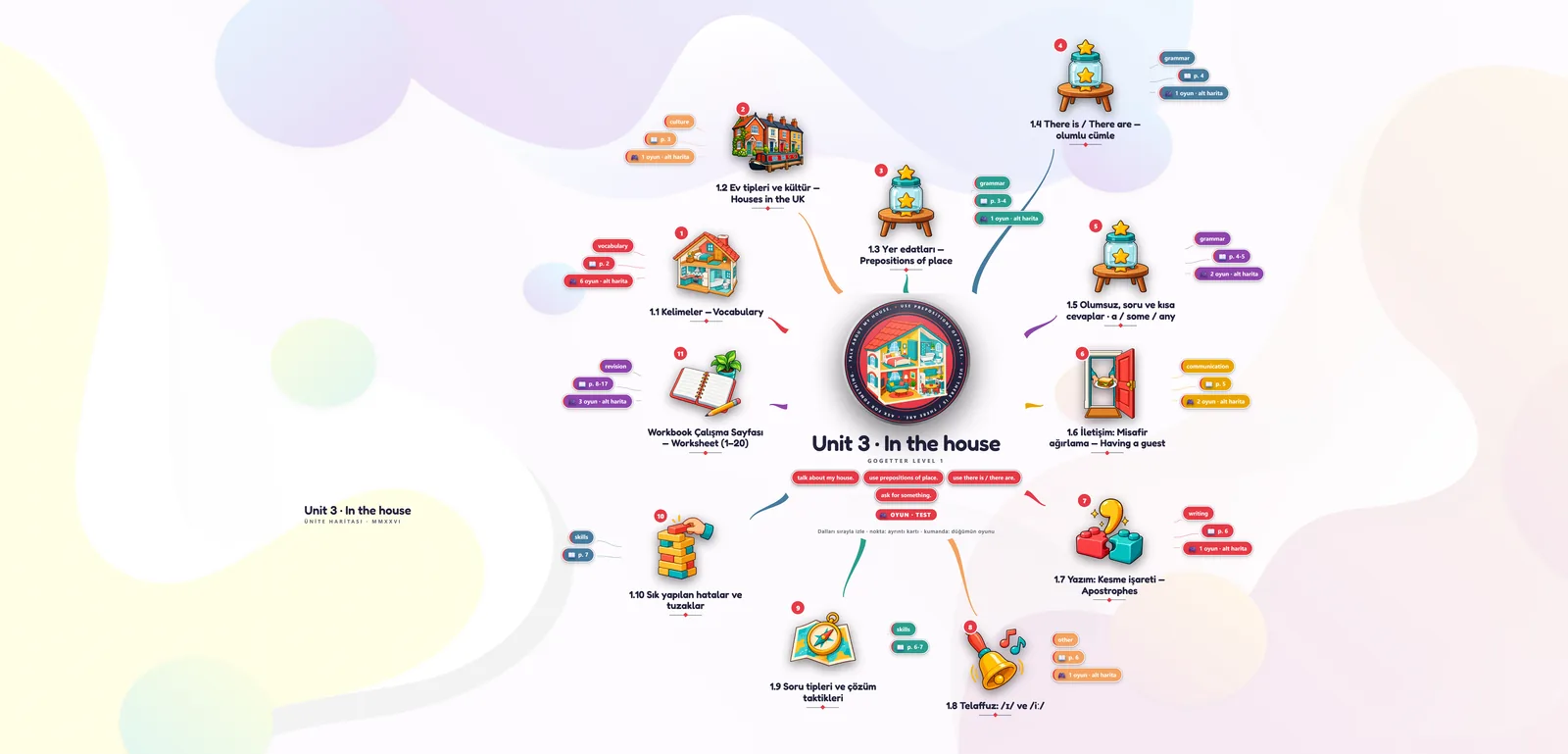
 Open in templates ›Unit 3: In the houseA unit map for English learners, with vocabulary, grammar and games.
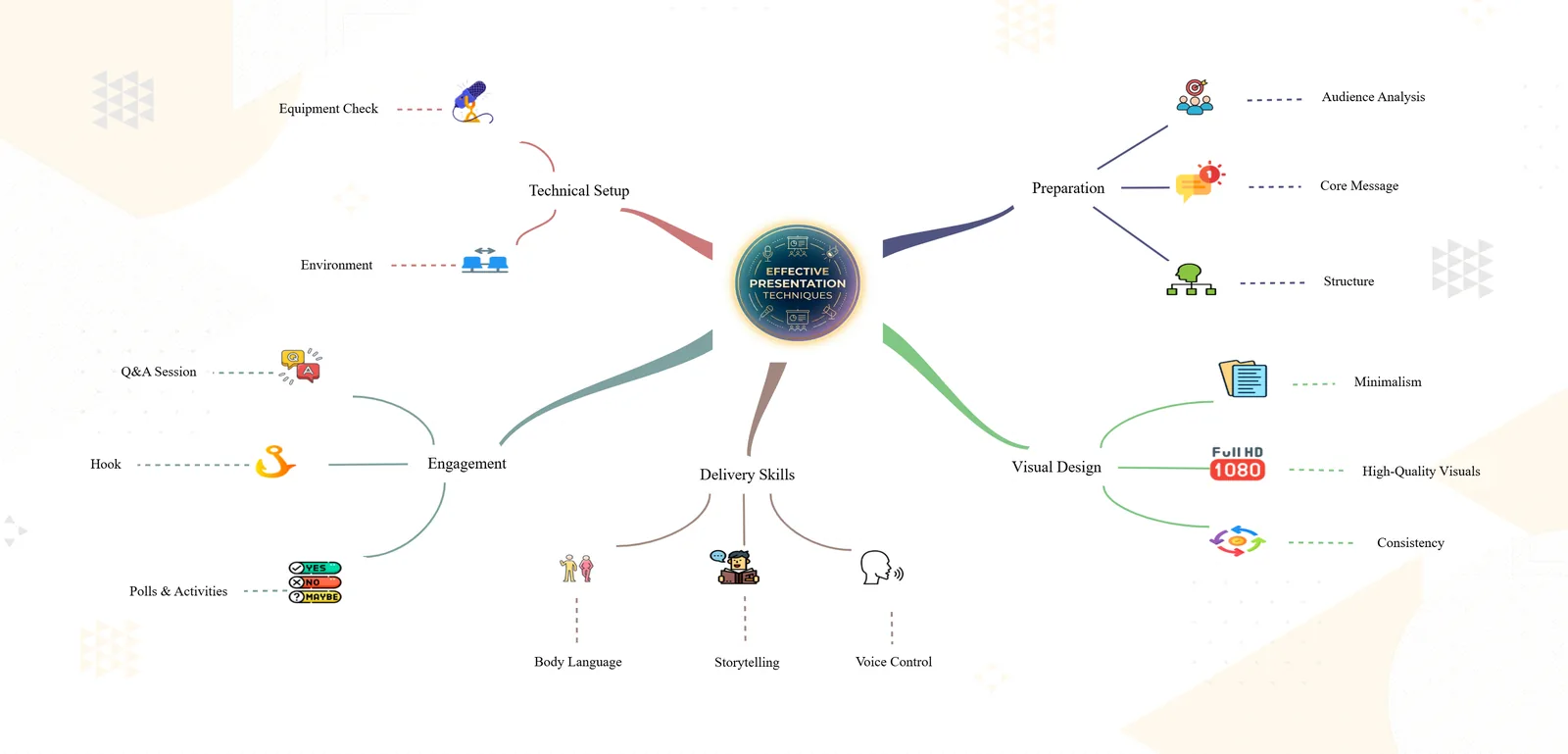
 Open in templates ›Effective presentation techniquesPreparation, technical set-up, delivery, engagement and visual design.
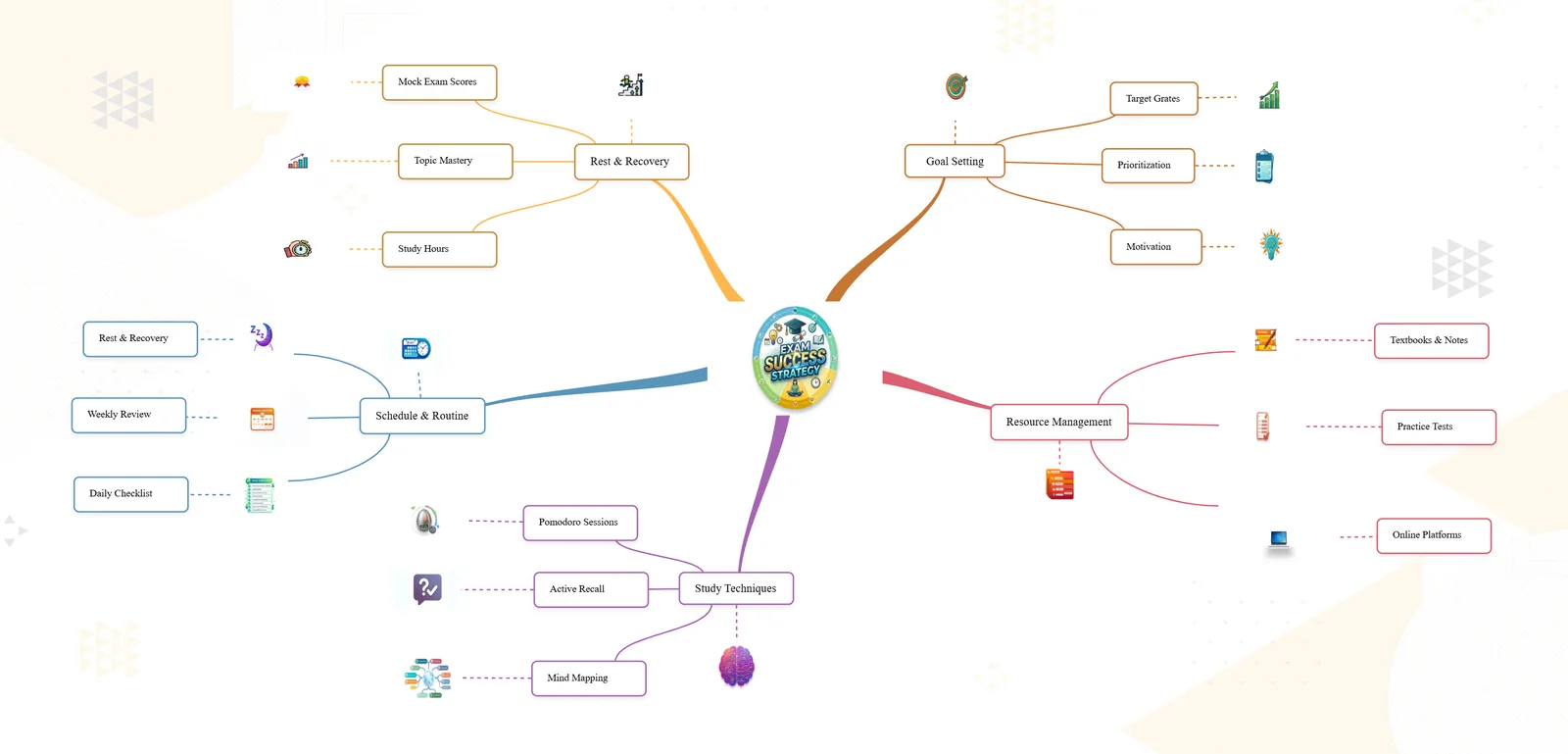
 Open in templates ›Exam success strategyGoals, schedule, study techniques, resources and rest, on one page.
 Open in templates ›
Turn a chapter or a set of notes into one page you can take in at a glance. When exams get close, open it on whatever device is to hand.
Foramind for students ›Yes, if you run Moodle, Canvas or Blackboard. Learners open maps from the course page through LTI 1.3, so nobody needs a separate link or a second place to look. The integration has been tested in a live university set-up. See LMS integration.
Yes. A tutor or teacher can start on the Free plan today, with no card. Pro is $6 a month, or $69 if you pay for the year. A whole school is priced by quote instead; see the question on pricing below and pricing for what each plan includes.
No. You share a link and the map opens in the browser on any device, so a student can follow it at home or on a school laptop. Foramind also has apps for iPhone and Android for anyone who prefers them.
Yes. Ask Foramind to start a map from your notes or a document, and a model suggests the first branches. You can edit or delete every branch it suggests, so the map says what you would teach. The trust centre names the model.
Yes. Open one branch at a time as you reach it, so the class follows your explanation instead of reading ahead, and you do not need a separate slide deck. Afterwards, download the map as a PDF or a PNG for revision. See how presenting works.
Teachers and our team. You can edit any branch to fit your own lesson. Browse them in templates.
Institutional plans include single sign-on with Google, Microsoft and Apple, and automatic sign-in from Moodle, Canvas or Blackboard through LTI 1.3. Pupils under 18 cannot create their own account: their school, college or tutor creates and manages it.
On Google Cloud, in a United States region. The trust centre covers hosting, AI and access. If your school needs more before it signs up, request the DPA or send us your security questionnaire.
It depends on how many staff and students will use Foramind and whether you need the LMS integration. Institutional plans include single sign-on. Tell us about your school and we will send a quote.
Yes. Cancel Pro at any time in your account settings or by emailing info@foramind.com. Your plan stays active until the end of the month or year you have paid for; that period is not refunded. If you change your mind within 14 days of subscribing, cancel and we refund you, less the share of Pro you used in that time. After your account closes, you have 90 days to export your maps. Schools and organisations follow the terms of their subscription agreement.
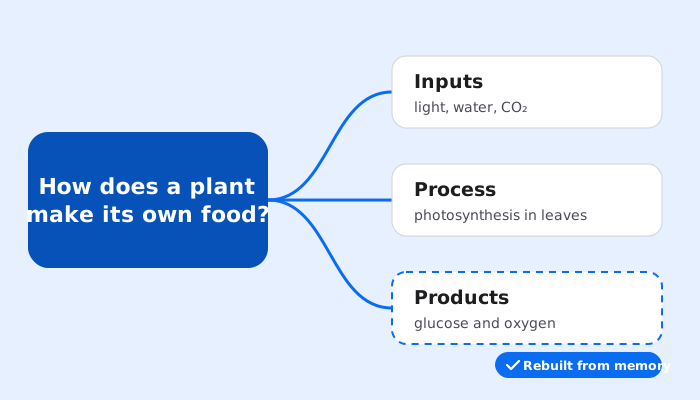
A practical way to connect what you explain in class with what students revisit afterwards.

A mind map shows what belongs to a topic. A concept map shows how ideas affect each other.
Studying is not learning. Learning is how we keep our map of the world up to date.
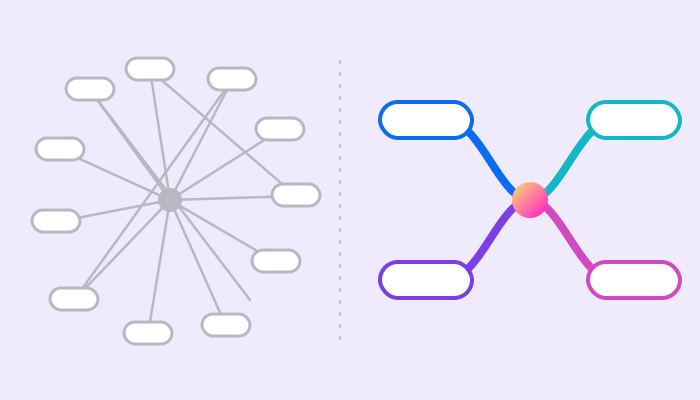
Five editing decisions that turn a crowded page into a useful explanation.
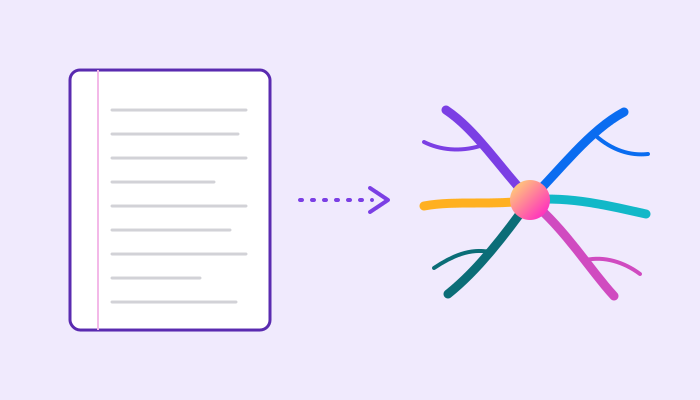
Why Tony Buzan went looking for a note-taking method that fits the brain.

Create your first map for free. No card needed.